
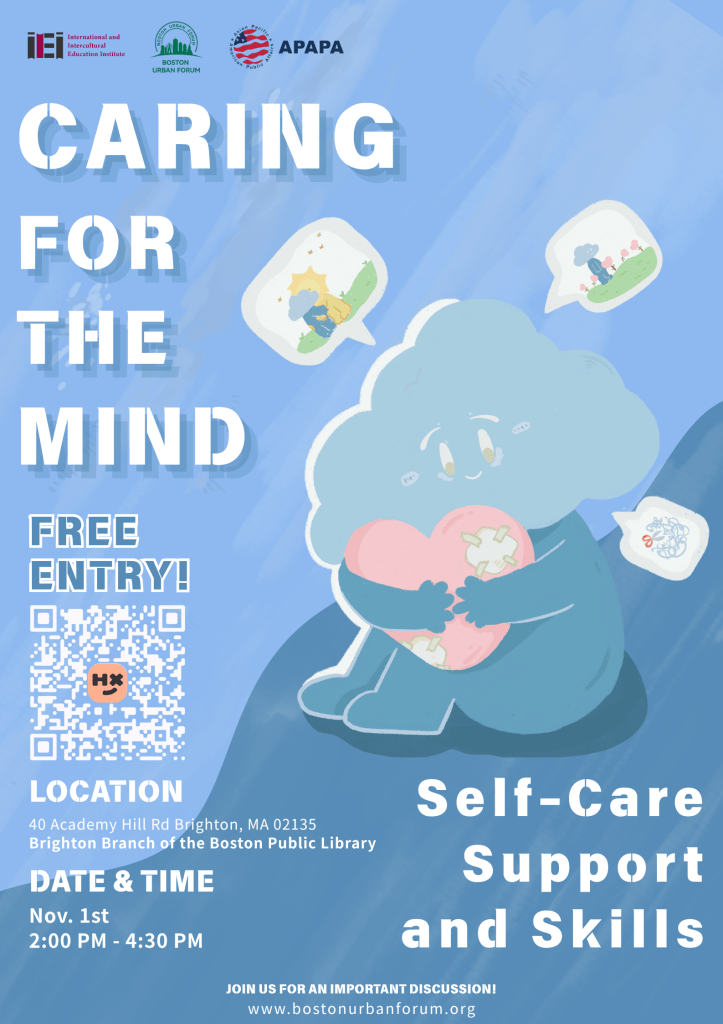
Caring for the Mind:Self-Care, Support and Skills
- Date: November 1st, Saturday
- Time: 2-5pm
- Location: Brighton Branch of the Boston Public Library
Join us for an interactive workshop exploring mental health and practical self-care skills. Together, we’ll discuss what mental health truly means, how it connects to physical well-being, and how each of us can make a positive impact on individuals and our communities.
Through guided discussions and hands-on activities, participants will learn how to recognize signs of distress, offer support, and practice grounding and breathing techniques. Leave with actionable tools, a personalized self-care plan, and a list of helpful mental health resources.
💬 What to Expect
This three-part workshop blends education, reflection, and hands-on activities:
Experience guided grounding and breathing exercises, and create your own personalized “Treat List” to build sustainable self-care habits.
Explore what mental health means, why it matters, and how stigma and life stressors affect individuals and communities.
Learn to recognize signs of emotional distress (special focus on self-injury (NSSI) and suicide awareness) and practice how to approach and support others safely and compassionately.
About our guest speaker
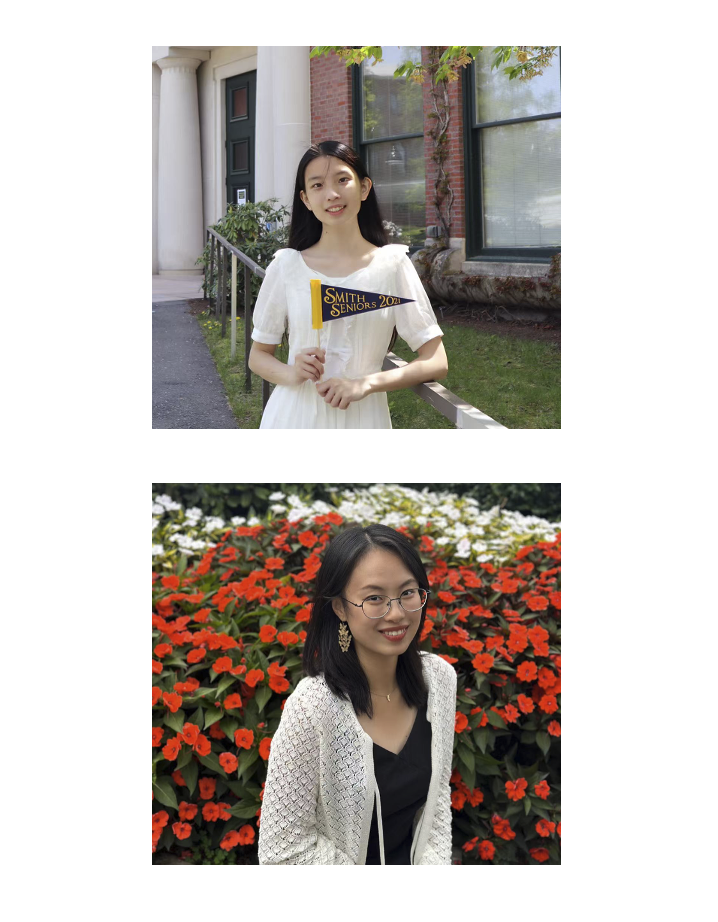
Yena Li
Yena Li is a fifth-year Ph.D. candidate in School Psychology at Fordham University. Her research focuses on non-suicidal self-injury (NSSI) among adolescents and the emotional wellbeing of Chinese and Chinese American youth. She has broad clinical and assessment experience in schools and clinical settings across New York and Boston.
Siyi Li
Siyi Li is a school psychologist with an M.S. and CAGS from Northeastern University. She works at a K–12 Chinese immersion charter school, supporting students’ academic, social, and emotional development, and collaborates with universities to strengthen family–school partnerships promoting student well-being.
Event sponsoring organization
Boston Urban Forum (BUF) is dedicated to nurturing community cohesion and development, cultivating a vibrant, diverse, and inclusive environment. We aim to enrich dialogue surrounding pressing issues and topics of interest in the City of Boston and community.
The Asian Pacific American Public Affairs (APAPA) is a federally registered non-profit organization. Its mission is to strengthen the influence of Asian Pacific Americans in politics and public affairs through education, civic engagement, and leadership development. APAPA currently has over 50 chapters across the United States.
United Chinese Americans (UCA) is a nationwide nonprofit and nonpartisan federation and civic movement, inspired and dedicated to enriching and empowering Chinese American communities through civic engagement, political participation, heritage sharing, youth development and a greater understanding between the people of the United States and China for the well-being of all Americans and this world.
Event Video
🩵 Event Recap
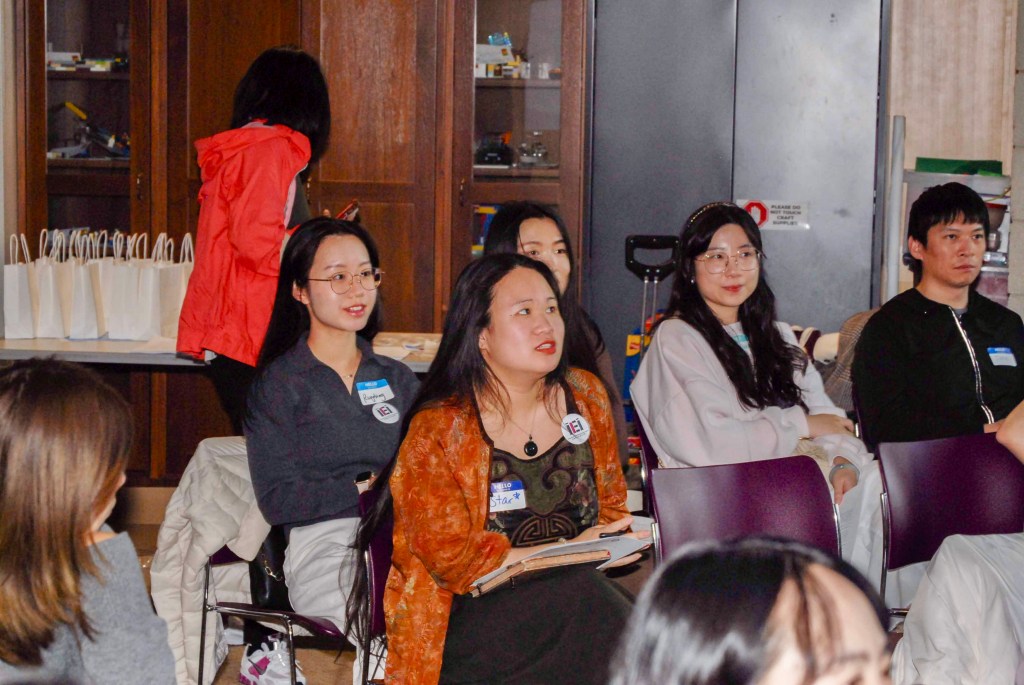
We had a truly fantastic turnout for our wellness workshop Caring for the Mind: Self-Care, Support, and Skills, with students, professionals, educators, and families from across the Boston area joining us for an afternoon of learning, reflection, and community connection.
✨ Exploring What Mental Health Means
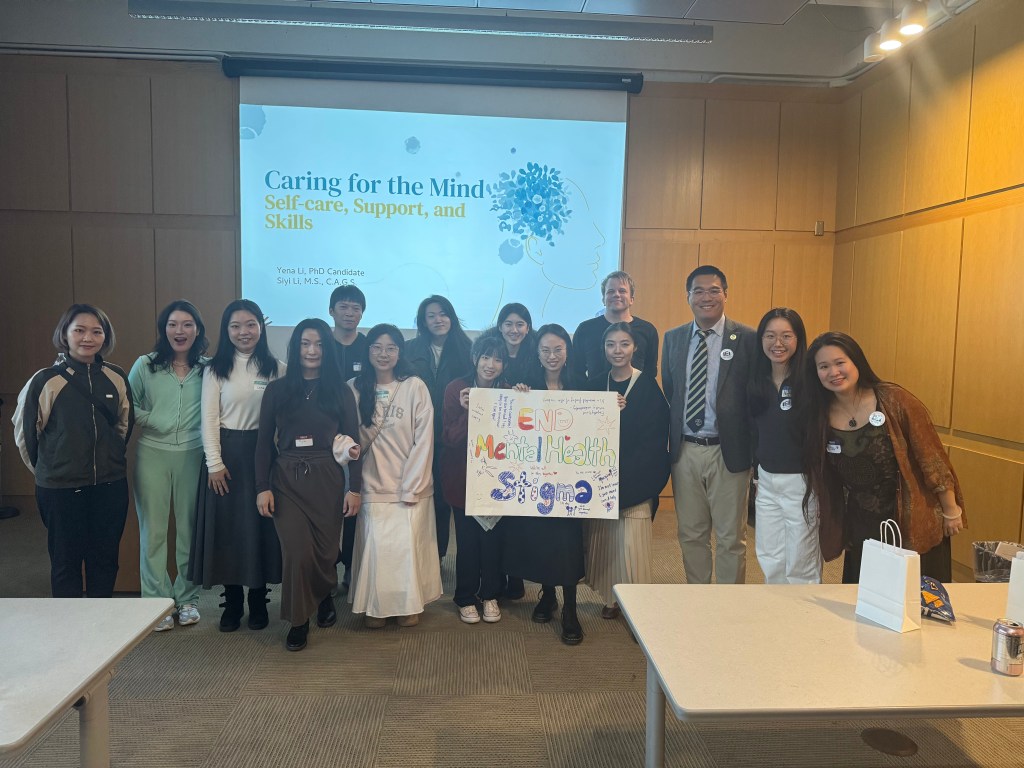
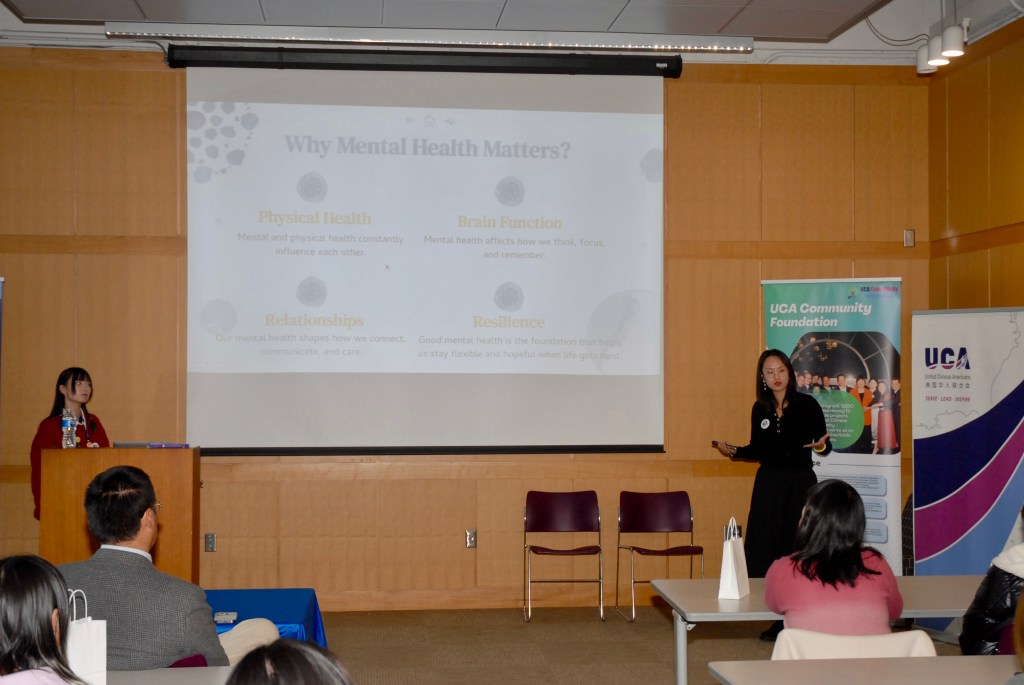
The workshop began under the guidance of school psychologist Siyi Li, who led an engaging discussion on what mental health is and why it matters. Participants took part in interactive activities designed to help them connect with their emotions—starting with a lighthearted rubber duck check-in, using nine different duck images to express “How are you feeling today, and why?”
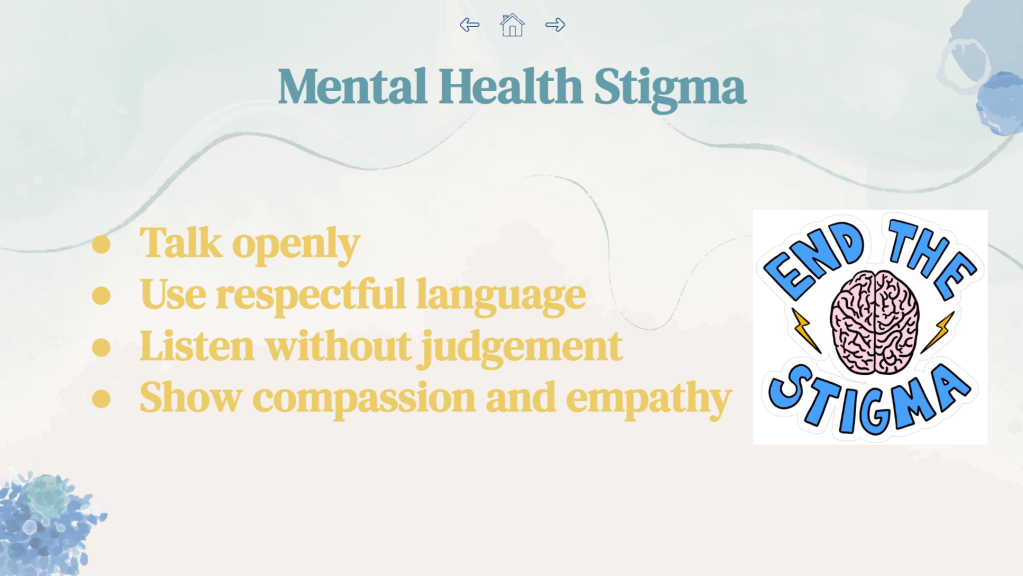
We also invited attendees to respond to reflection prompts posted around the room, setting the stage for deeper conversations about mental health and the stigma that often surrounds it. Together, we launched our End Mental Health Stigma campaign, adding personal reflections and messages to a community poster.
💬 Understanding NSSI and Suicide Prevention
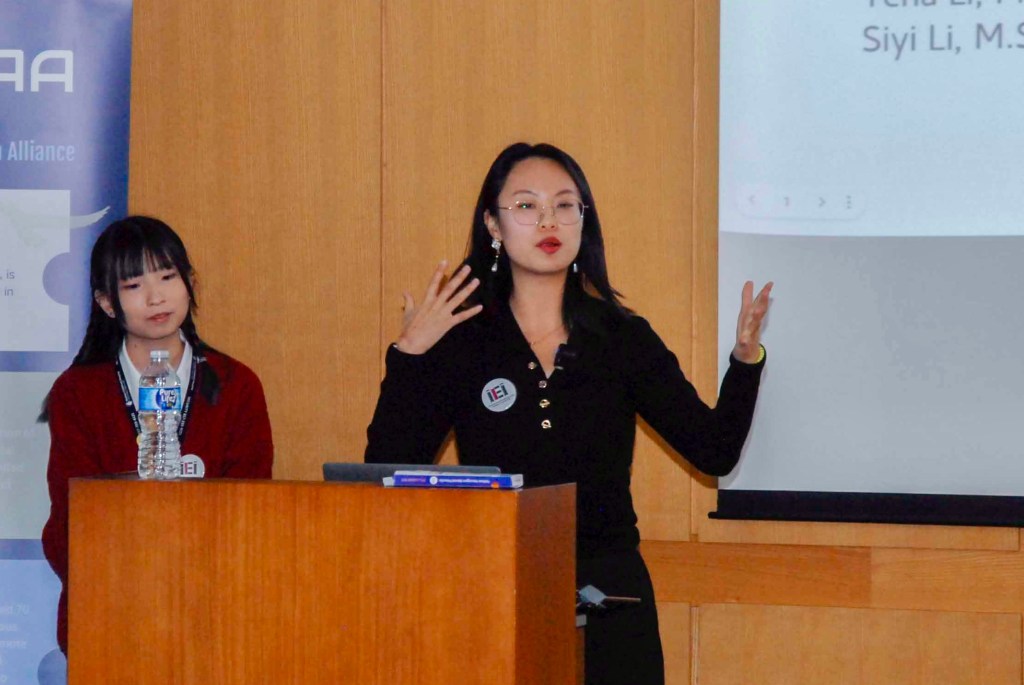
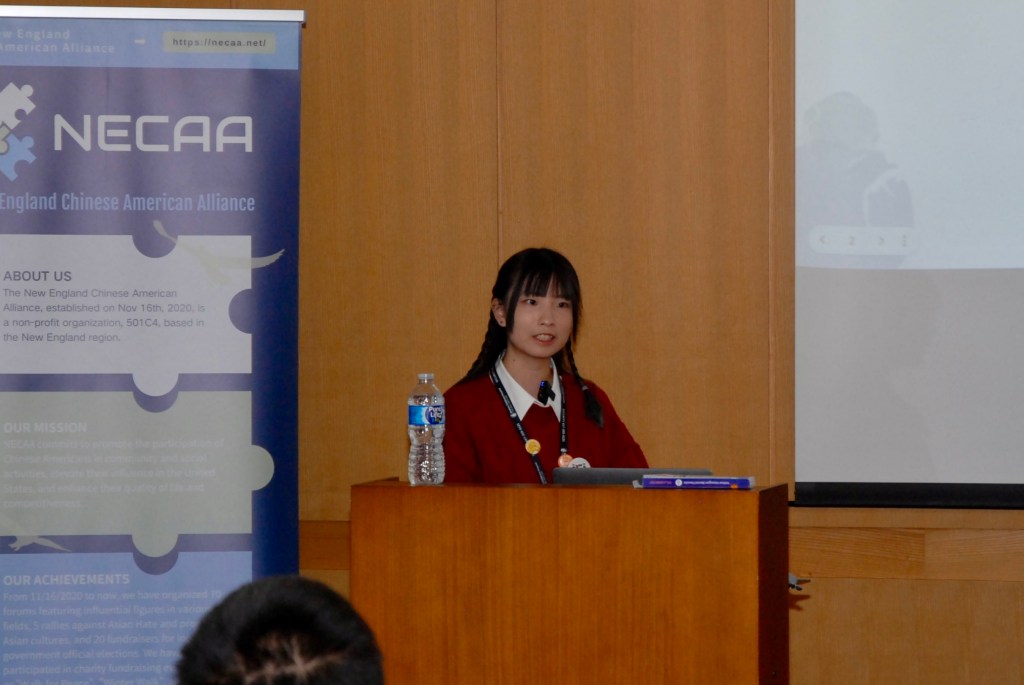
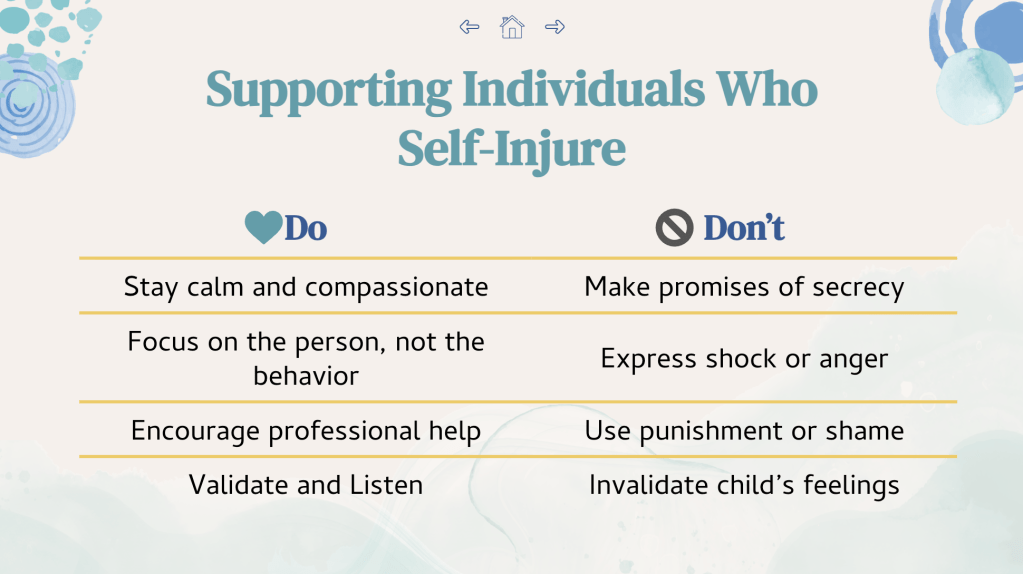
Next, Yena Li, Ph.D. candidate in School Psychology at Fordham University, guided us through an important and sensitive discussion on non-suicidal self-injury (NSSI), risk factors, and suicide awareness.
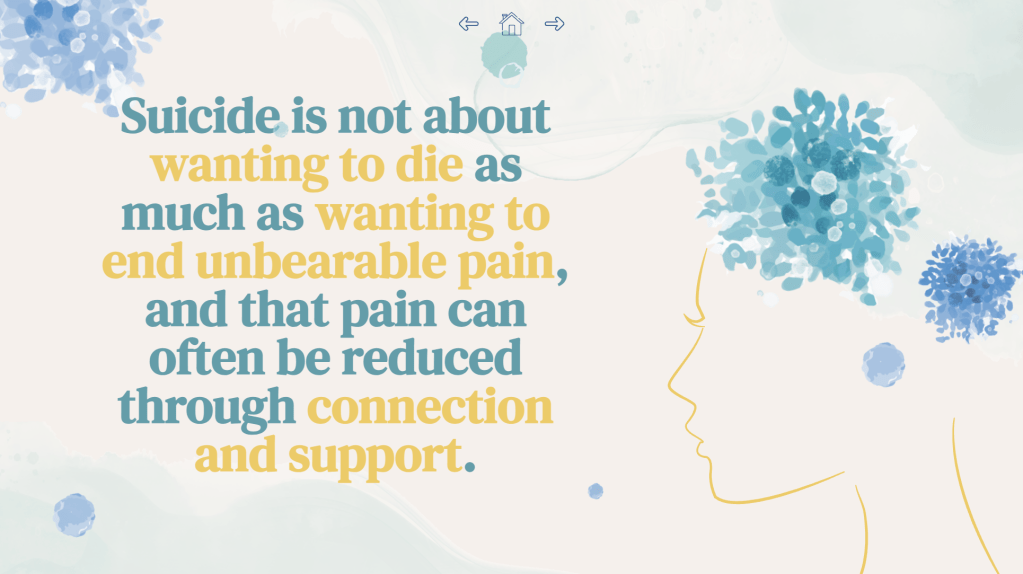
In one especially powerful moment, Yena showed the word “suicide” on the board and asked everyone to share their immediate feelings. Words like “scary,” “sensitive,” and “uncomfortable” emerged — revealing how often this topic is avoided. Through case studies, warning signs, and discussion of best approaches, we learned how acknowledging these difficult conversations is the first step toward creating safer, more supportive communities.
🌿 Practicing Self-Care and Self-Compassion
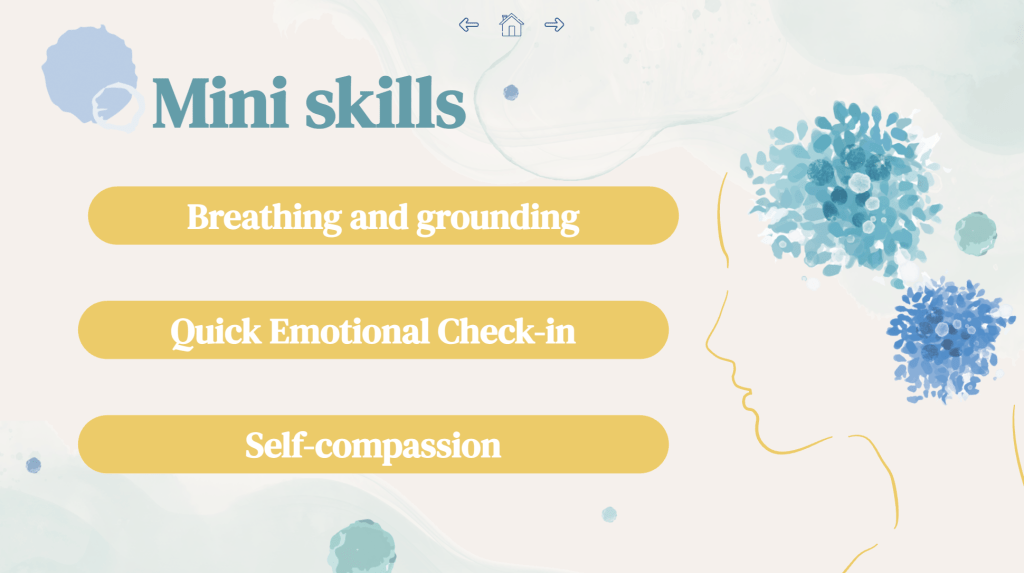
In the final section, participants explored self-care strategies and mindfulness practices. We began with a guided grounding meditation using the 5-4-3-2-1 sensory technique, encouraging everyone to visualize a place where they feel calm and safe.
The session then focused on different dimensions of self-care — psychological, physical, emotional, social, and cultural — and participants practiced setting SMART self-care goals. To close the workshop, everyone wrote two affirmation notes — one for themselves and one for someone else — and exchanged them upon leaving, creating a moment of genuine warmth and connection.
“That was a powerful act. I’m so glad I was part of this.” — Workshop attendee
“This was a really well-balanced workshop — thoughtful content and engaging activities.” — Professor Zheng
“You created a space that felt thoughtful and calm, which isn’t easy when addressing sensitive topics.” — Participant feedback
We were thrilled to see so many attendees eager to continue the conversation, exchange ideas, and connect with professionals and students in related fields.
👏 Our Gratitude
This event would not have been possible without the generous support of the Boston Urban Forum (BUF), Asian Pacific American Public Affairs (APAPA), and United Chinese Americans (UCA).
Special thanks also to the Brighton Branch of the Boston Public Library for providing a welcoming space for open dialogue and reflection.
Together, we took one more step toward ending the stigma around mental health — through understanding, compassion, and community.
 International and Intercultural Education Institute